
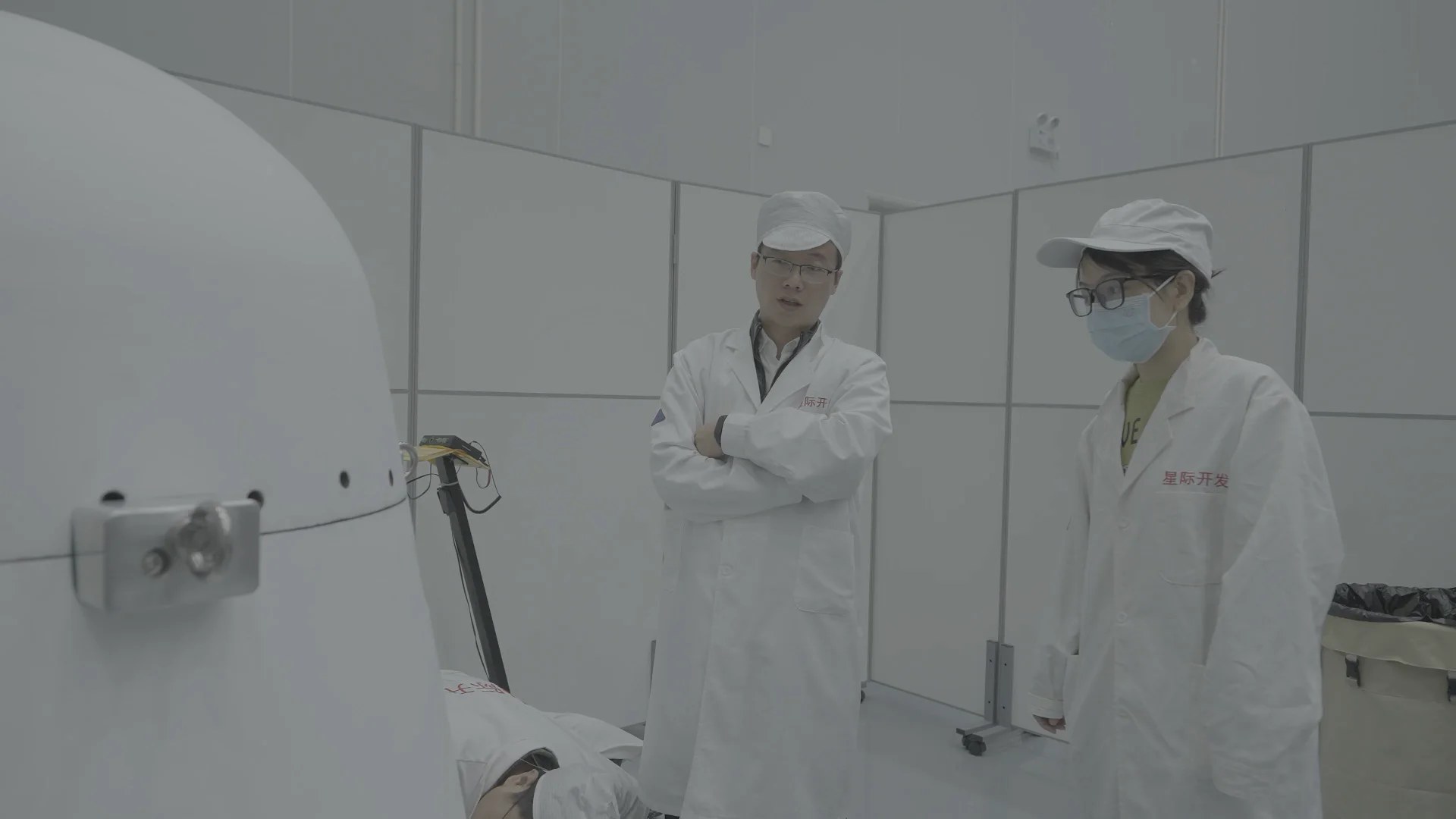
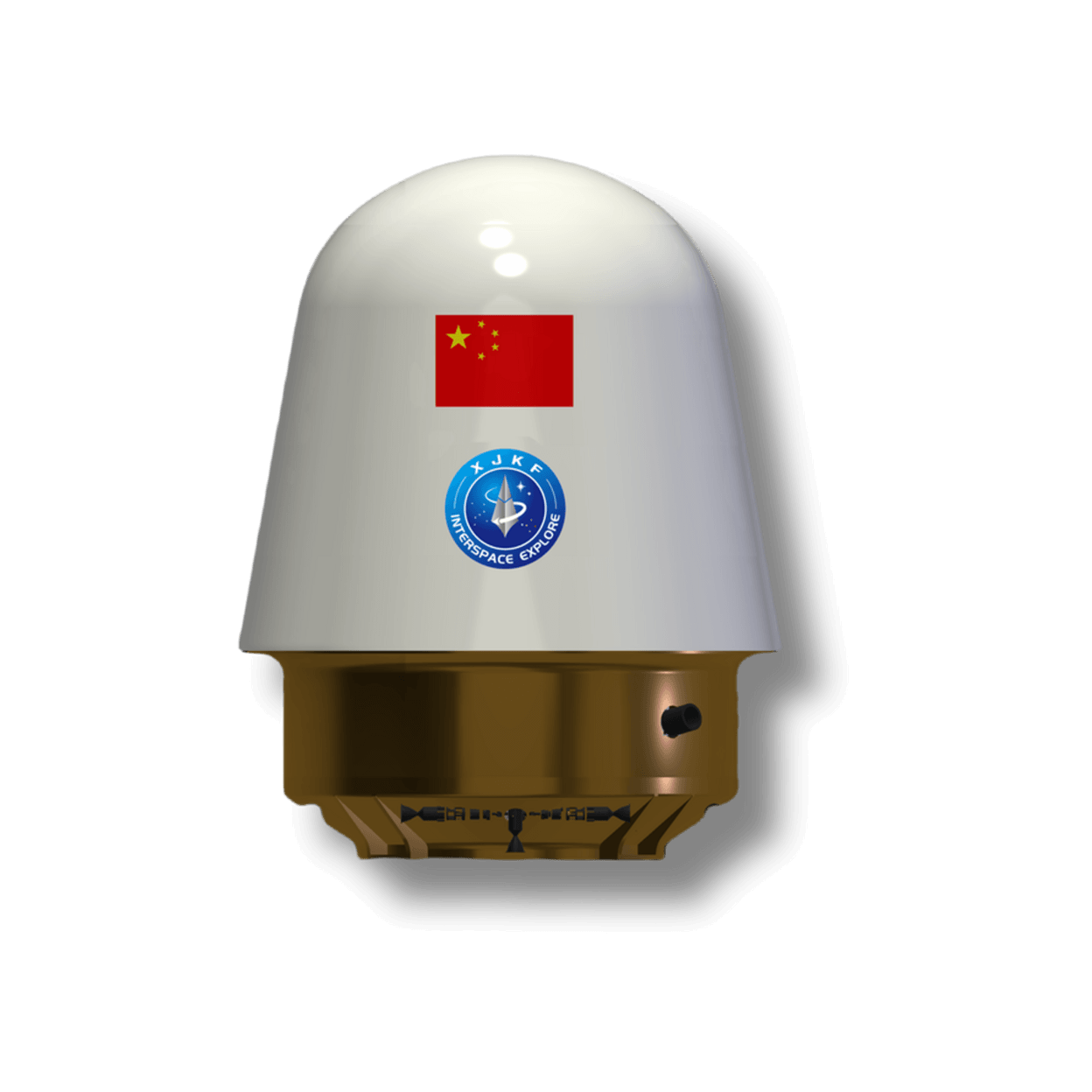
Small verification spacecraft
星实号
Xingshi is designed for cargo return from space stations and commercial hosted-payload missions. Its low-cost, first-article approach uses commercially available components with flight heritage, supported by whole-vehicle digital simulation, ground testing and qualification.
Product highlights
- High downmass ratio
- Reusable spacecraft
- Rapid deployment of cargo-return capability
Technical specifications
- Dry mass
- ≤200 kg
- Downmass
- 100–150 kg
- Payload volume
- ≥300 L
- Maximum envelope
- φ1 m × 1.5 m
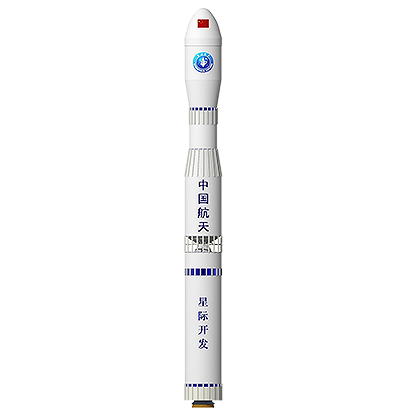
Integrated spacecraft and launch vehicle
星开号
Xingkai integrates the spacecraft and launch vehicle and shares avionics across both systems. A conventional solid rocket motor supports rapid launch, while batch production, customer configuration, a fairing-free architecture and spacecraft reuse improve payload efficiency and reduce mission cost.
Product highlights
- Shared avionics and an integrated spacecraft-launch vehicle design
- Recoverable spacecraft supporting customization, batch production and rapid launch
Technical specifications
- Launch mass
- ≤45 t
- Spacecraft mass
- Liftoff ≤950 kg; orbital insertion ≥750 kg
- Payload volume
- ≥1 m³
- Maximum envelope
- φ1.6 m × 21 m
- Time in orbit
- ≥60 days

Space manufacturing factory
星际天坊
Xingji Tianfang is an on-orbit manufacturing platform developed by the company. It uses the unique microgravity, high-vacuum and ultra-clean environment of space for crystal growth, advanced alloy production and biopharmaceutical synthesis beyond terrestrial manufacturing limits, producing high-purity, high-performance and high-value space products.
Product highlights
- Long-duration orbital residence
- Autonomous on-orbit manufacturing
- Permanently deployed platform with scheduled logistics
Technical specifications
- Cargo capacity
- ≥120 kg
- Payload volume
- ≥400 L
- Service life
- >3 years
- Operations
- Rapid deployment and low-cost operation
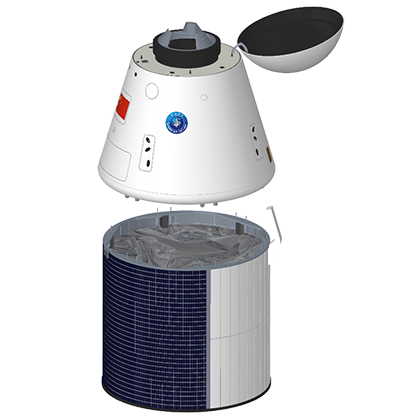
Large crew and cargo spacecraft
星燚号
Xingyi supports low-cost cargo transport to and from space stations and is designed for reuse. An upgraded configuration can support crewed flight and future space-tourism missions.
Product highlights
- Reusable spacecraft
- Integrated avionics and propulsion-product design
- New composite materials and flexible solar-cell technologies
- Commercial recovery at sea
Technical specifications
- Spacecraft mass
- Launch ≤8 t; return ≤6.5 t
- Maximum launch envelope
- φ4 m × 7 m
- Pressurized-cabin capacity
- Upmass ≥3 t; downmass ≥3 t
- Reuse cycles
- ≥10
- Time in orbit
- Space-station rendezvous
Optical remote-sensing satellite
广目卫星
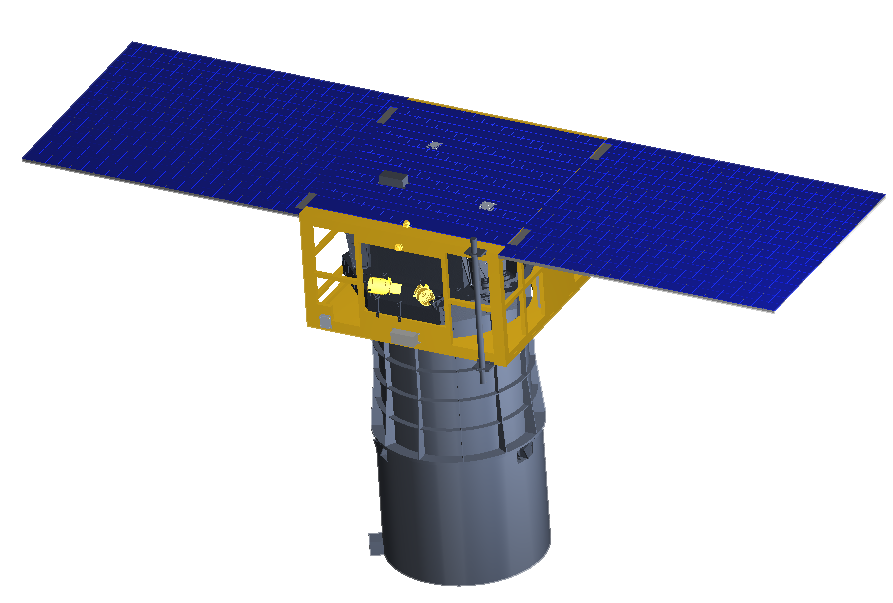
The Guangmu constellation covers high-resolution, video, wide-swath, infrared, multispectral and hyperspectral remote-sensing satellites. Phase one deploys 4 satellites for revisit of priority regions within 5 hours; phase two expands to 20 satellites for global priority-region revisit within 1.2 hours; phase three reaches 60 satellites for global priority-region revisit within 23 minutes.